


In the high-stakes world of surgery, complications are a constant concern, often adding exponential cost increases to procedures.1 One such complication, often overlooked but frequently encountered, is the formation of post-surgical adhesions.2 These fibrous bands, akin to internal scar tissue, can form between tissues and organs, often as a result of surgical abdominal procedures.2 They may remain asymptomatic2, or, conversely, result in significant pain, organ dysfunction, and even potentially life-threatening bowel obstructions.3.4
This blog will look into the topic of post-surgical abdominopelvic adhesions, exploring their causes, impact on patients and healthcare and, most importantly, their prevention. As healthcare professionals, understanding the nature of adhesions and implementing strategies to minimize their occurrence is of paramount importance in optimizing patient outcomes. Here, Natalia Peres Martinez, MD, MSc, PhD, Medical Affairs, Baxter Healthcare Corporation, explains the causes and prevention of post-surgical abdominopelvic adhesions.
Introduction
Abdominopelvic adhesions following surgery present a significant post-surgical complication, affecting a vast number of patients.5,6 These internal bands of scar tissue, or abnormal fibrous connections,2 can cause severe abdominal pain and other complications.3 Post-surgical adhesions form as a natural part of the healing process, but can lead to unintended consequences.7
The causes of adhesions are multifactorial, and they may occur as a result of surgery or other inflammatory processes, such as infection.6 Interestingly, research has begun to uncover a potential genetic predisposition towards adhesion formation.8-10 This area of study is still in its infancy, and more research is needed to establish a clear genetic link.8
Preventive measures and surgical techniques are pivotal in minimizing the incidence and severity of adhesions.11 The use of adhesion barriers represents an important advancement in the proactive management of post-surgical adhesions. As surgical techniques continue to evolve, the integration of these barriers has become an option to be considered in minimizing adhesion formation.12 Adhesion barriers function by creating a physical separation between tissues during the crucial healing phase, thereby preventing the fibrous connections characteristic of adhesions.13
- In cases of multiple abdominal surgery procedures, adhesions can develop in up to 93% of patients5
- Adhesions account for up to 96% of patients with chronic abdominal and/or pelvic pain at diagnostic laparoscopy3
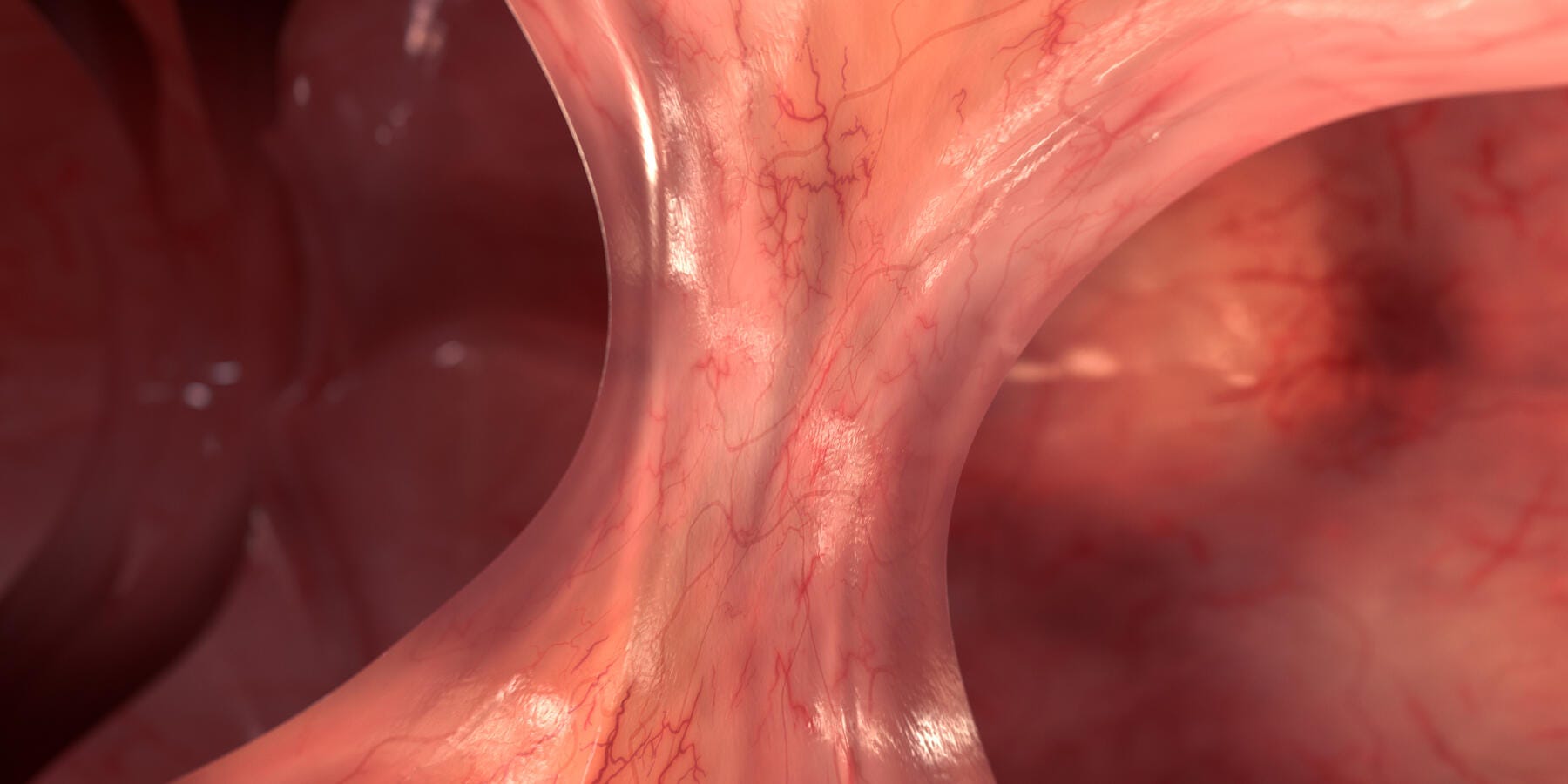
Understanding Post-Surgical Adhesions
Post-surgical adhesions, a common but often under-recognized complication of abdominal and pelvic surgeries,14 demand a comprehensive understanding due to their significant impact on patient health and healthcare systems.3,14
What Are Abdominopelvic Adhesions?
Abdominopelvic adhesions are pathological fibrous connections that form between organ surfaces and the walls of surrounding body cavities following tissue trauma and ischemia.2,12 These adhesions can range from thin films of connective tissue to thick fibrous bridges that are vascularized and innervated.12
Apart from surgical interventions, other factors contribute to the formation of adhesions. Acquired adhesions may be classified as post-surgical or inflammatory.6 Inflammatory adhesions may arise after intra-abdominal inflammatory processes, such as appendicitis, acute cholecystitis, acute diverticulitis, pelvic inflammatory disease, and the previous use of an intrauterine contraceptive device.6 Factors associated with the formation of post-surgical adhesions include trauma, thermal injury, infection, ischemia, and foreign bodies.6 The presence of foreign materials, such as powder from surgical gloves or fibers from disposal paper items, can exacerbate this risk of adhesion formation.6
Common Locations and Impact on Organs and Systems
Adhesions commonly form at the site of surgical intervention, but the formation and location of adhesions are currently unpredictable in abdominal surgery due to the complex interplay of the many factors that regulate fibrinolysis.3 Adhesions may affect various organs like the intestines and reproductive organs, leading to a range of complications.3 Adhesions involving the intestines, for example, can lead to small bowel obstruction, a severe condition requiring prompt medical attention.3 Pelvic adhesions, often resulting from gynecologic procedures, may cause chronic pelvic pain and infertility in women.3
Pathophysiology of Adhesion Formation
After abdominal or pelvic surgery, the body initiates a healing process to repair the tissue damage.7 This damage triggers an inflammatory response that leads to procoagulatory and antifibrinolytic reactions, significantly increasing fibrin formation.10
The balance between fibrin formation and dissolution is crucial; an imbalance, often influenced by the inflammatory status of the peritoneum, can result in persistent fibrin deposits and subsequent adhesion development.10 Fibrinolysis by plasmin can degrade these deposits, but following surgery, the fibrinolysis is typically inadequate and non-degraded deposits are reorganized to form fibrous adhesions.3
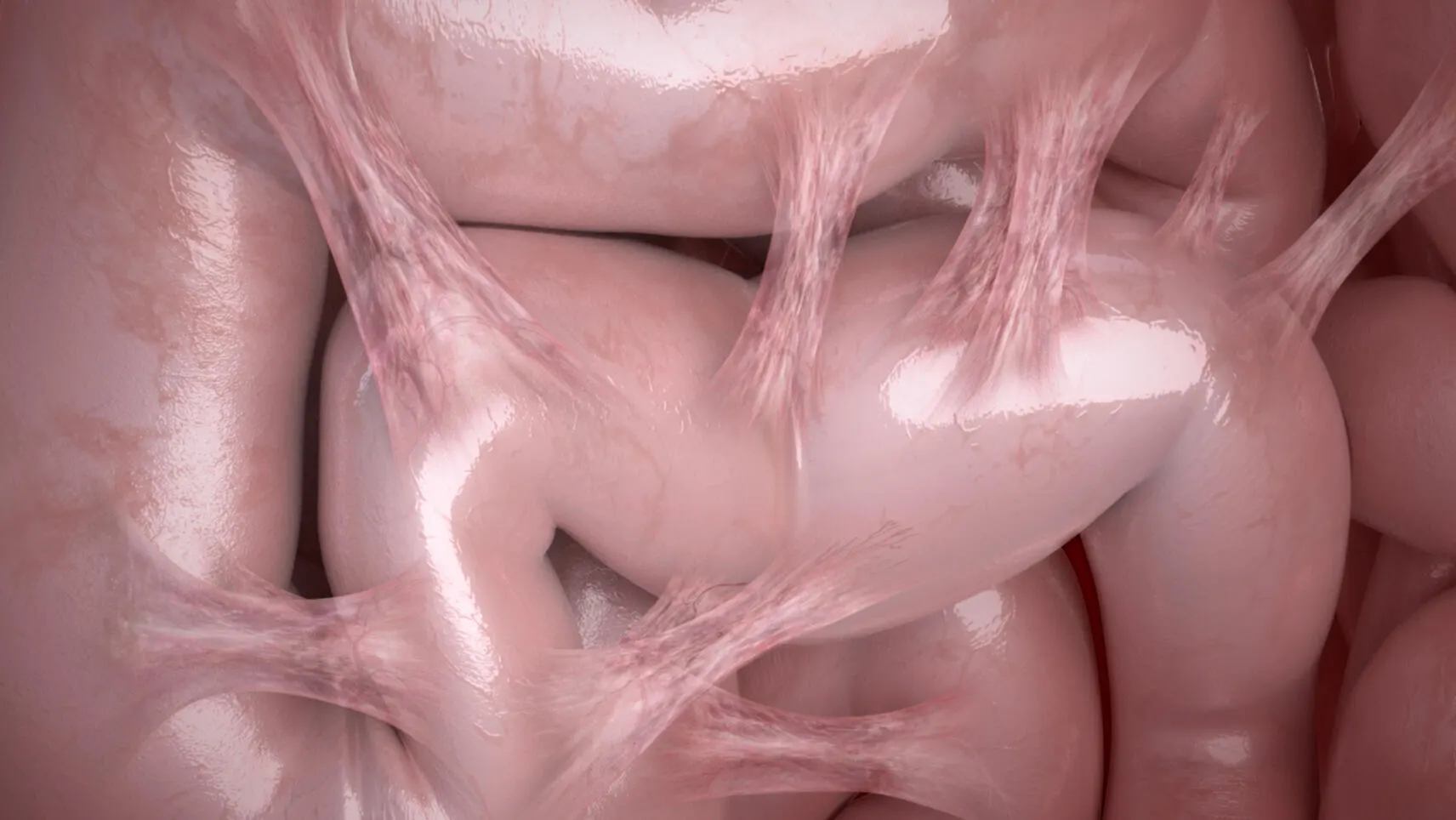
Prevalence and Risk Factors for Post-Surgical Adhesions
Understanding the frequency of abdominopelvic adhesions is crucial for both prevention and management.14 While surgery is the primary cause, various other risk factors also contribute to their formation.11
How Common Are Post-Surgical Adhesions?
Post-surgical adhesion formation is the most common complication of multiple abdominal or pelvic surgeries, occurring in up to 93% of patients following surgeries frequently performed by general, vascular, and gynecological surgeons and urologists.5,15 Unlike other post-surgical complications, such as wound infection or anastomotic leakage, the consequences of adhesion formation comprise a lifelong risk for various clinical issues.15
What Patients Are Most At Risk for Developing Adhesions?
All patients undergoing surgery are at risk of developing adhesions, and adhesions impact millions of patients annually.12 Data suggest that various factors, including a genetic predisposition, directly or indirectly increase the likelihood of adhesion formation.8-10
Directly Predisposing Factors
Genetic polymorphisms in the interleukin-I receptor antagonist, increased estrogen exposure, and endometriosis.9
Indirectly Predisposing Factors
Insufficient fibrinolytic activity has been shown to favor adhesion formation.9,10 Thus, factors affecting the fibrinolytic system can indirectly put a patient at increased risk of post-surgical adhesions. These determinants include certain genetic polymorphisms (plasminogen activator inhibitor-1, thrombin-activatable fibrinolysis inhibitor), underlying conditions (diabetes mellitus, metabolic syndrome, hyperglycemia, obesity, depression, cancer), medication (anti-Parkinsonian or oral hormone therapy), pregnancy, and high alcohol consumption.9

The Impact of Post-Surgical Adhesions and Healthcare
Post-surgical adhesions, particularly following abdominal and pelvic surgeries, can have profound physical, emotional and economic impacts.3,4 These consequences affect not only the patients but also pose a significant burden on the healthcare system.4
Physical Impact of Adhesions
Although many adhesions go unnoticed and do not cause any symptoms, some patients develop severe complications such as small bowel obstruction, chronic pain, and infertility.3,15,16 Adhesions account for up to 96% of patients with chronic abdominal and/or pelvic pain at diagnostic laparoscopy, 60–70% of patients with small bowel obstruction and 20–40 % of those with female infertility.3
Adhesions can also lead to difficulties in subsequent operations – even if the patient is asymptomatic – as they change the normal anatomy.17,18 Obliterated dissection planes and abnormally conjoined organs can increase operation time and complication rates.17,18 For instance, inadvertent bowel injury at adhesiolysis occurs in approximately 19% of patient undergoing abdominal reoperations.3

Emotional and Psychological Impact on Patients
Post-surgical abdominopelvic adhesions have a great impact on the quality of life of millions of people worldwide.12,19 The plurality and unpredictability of chronic symptoms caused by post-surgical adhesions may substantially impact a patient's marital, social and professional life.16 The lack of answers is often frustrating, while the fear of the unknown can be psychologically distressing to the patient and their family members.16
This may result in some degree of resentment or anger which can be misinterpreted as depression or anxiety disorder, which can be even more detrimental for the patient's mental health and physician-patient rapport.16 Nevertheless, interventions to help coping and quality of life, such as psychotherapy as an adjuvant approach, are worth discussing and can be of help, as in other chronic gastrointestinal disorders.16
Economic Impact on Healthcare
Complications from adhesions typically require increased hospital visits, readmission, reintervention and further surgical management, all of which can increase costs.3 A number of studies have shown that the economic burden of adhesiolysis is significant.4
In a study from Sweden, overall total costs to treat adhesive small bowel obstruction during the study period (2007-2012) were €16.267 million, corresponding to a mean total cost per patient of €40,467.20
Associated costs for treatment of adhesive small bowel obstruction in a Dutch study in 2016 were estimated at €16,305 for surgical and €2,227 for non-operative treatment.21 Additionally, the need for repeated surgeries due to adhesions, along with the prolonged hospital stays and additional diagnostic tests, further escalates healthcare expenses. Surgical techniques, procedures and products that minimize the risk of adhesion formation may thus have a substantial economic benefit.
Prevention of Post-Surgical Adhesions
Strategies for Post-Surgical Adhesion Prevention
The severe consequences of post-surgical abdominopelvic adhesions for patients, physicians and healthcare systems stand in stark contrast to the low level of awareness and knowledge.11 Therefore, it’s important to increase awareness of adhesions and their consequences and provide strategies for their prevention.11
Key Strategies for Adhesion Prevention11
- Preference for tissue-sparing and microinvasive surgical techniques
- Minimization of operating time and of heat and light
- Avoidance of peritoneal trauma by superfluous contact and coagulation
- Limited placement of intra-abdominal foreign bodies such as patches, meshes, and suture material
- Use of moistened abdominal drapes and swabs and occasional application of saline solution to minimize dehydration of mesothelial surfaces
- Irrigation of the abdominal cavity to remove residual intra-abdominal blood depots
- Reduction of infection risk by ensuring sterile working conditions and giving antibiotics as required
- Laparotomy: preferential use of latex- and powder-free gloves
- Laparoscopy: use of humidified gases at appropriately low insufflation pressure
- Adhesion barriers or peritoneal instillates
In reviewing the diverse strategies for preventing post-surgical adhesions, one method warrants particular attention due to its specialized approach and efficacy in clinical studies: the use of adhesion barriers.22-27 These barriers could represent important tools in the surgical arsenal, offering a unique solution to the challenge of post-surgical adhesion formation. Let’s delve deeper into the nature and application of adhesion barriers, understanding how they stand out in the realm of preventive techniques.
Use of Adhesion Barriers
The use of adhesions barriers is based on the hypothesis that preventing physical contact between two injured tissue or cell surfaces will prevent adhesion formation.12 These products can be generally classified into solid barriers, gels, and solutions.12Adhesion barriers function by creating a physical separation between tissues during the crucial healing phase, thereby preventing the fibrous connections characteristic of adhesions.13
Commonly used adhesion barriers in the United States include28:
Hyaluronate carboxymethylcellulose
A solid barrier for open surgery. Studies in both general surgery and gynecological procedures has shown to reduce adhesion formation, as well as the risk for reoperations for adhesive small bowel obstruction (relative risk 0.49, 95% CI 0.28–0.88).
Oxidized regenerated cellulose
Solid barrier most suitable for open surgery. Only studied in gynecological procedures. Reduces incidence of adhesion formation (relative risk 0.51, 95% CI 0.31–0.86). No studies available on subsequent risk of adhesive small bowel obstruction (ASBO). The ASBO workgroup does not recommend the use of this barrier to prevent ASBO in general surgery.
Icodextrin
Liquid barrier, easy to apply in laparoscopic gynecological surgery. Good safety recorded. Reduces recurrence of ASBO following surgery for ASBO in one trial (relative risk 0.20, 95% CI 0.04–0.88)
In 2018, the World Society of Emergency Surgery (WSES) working group on ASBO reviewed the evidence-based guidelines to support clinical decision-making in diagnosis and management of ASBO.28 A new section has been included on prevention of SBO. One of the recommendations states that adhesion formation might be reduced by minimally invasive surgical techniques and the use of adhesion barriers.28
This recommendation is reinforced by the Level IA evidence on hyaluronate carboxymethylcellulose which reduces adhesion formation and the risk of subsequent reoperations of adhesive SBO.28 In addition, the WSES working group affirms the use of this barrier seems cost-effective in open colorectal surgery, concluding that part of the adhesion formation can be prevented by application of minimal invasive surgical techniques and the use of adhesion barriers.28

Summary
In summary, post-surgical adhesions in the abdomen and pelvis, while a common complication, can be mitigated through various preventive measures.11,22-27 Ensuring meticulous surgical techniques are utilized, limiting placement of intra-abdominal foreign materials and using adhesion barriers are key strategies.11,22-27 As the medical community continues to advance in understanding and technology, the prevention of adhesions remains a dynamic field with the potential for significant improvements in patient outcomes.
Supporting Your Path to Improved Patient Care
Enhance your healthcare solutions & dive into our latest insights on adhesion reduction.
References
- Knechtle WS, et al. The association between hospital finances and complications after complex abdominal surgery. Arch Surg. 2015;262:273-279.
- Tabibian N, et al. Abdominal adhesions: a practical review of an often overlooked entity. Ann Med Surg. 2017;15:9-13.
- Okabayashi K,,et al. Adhesions after abdominal surgery: a systematic review of the incidence, distribution and severity. Surg Today. 2014;44:405-420.
- Sikirica V, et al. The inpatient burden of abdominal and gynecological adhesions. BMC Surg. 2011;11:13.
- Menzies D. Postoperative adhesions: their treatment and relevance in clinical practice. Ann Roy Coll Surg Eng. 1993;75:147-153.
- Liakakos T, et al. Peritoneal adhesions: etiology, pathophysiology, and clinical significance. Dig Surg. 2001;18:260-273.
- Al Jabri S, et al. Management and prevention of pelvic adhesions. Sem Repro Med. 2011;29:130-136.
- Thakur M, et al. Is there a genetic predisposition to postoperative adhesion development? Repro Sci. 2021;28:2076-2086.
- Fortin CN, et al. Predisposing factors to post-operative adhesion development. Hum Reprod Update. 2015;21(4):536-551.
- Hellebrekers BWJ, et al. Pathogenesis of postoperative adhesion formation. Fertil Steril. 2005;83:122-129.
- Bruggmann D, et al. Intra-abdominal adhesions. Dtsch Arzteb Int. 2010;107(44):769-775.
- Hassanabad AF, et al. Prevention of post-operative adhesions: a comprehensive review of present and emerging strategies. Biomolecules. 2021;11(7):1027.
- Awonuga AO, et al. Advances in the pathogenesis of adhesion development: the role of oxidative stress. Repro Sci. 2014;21:823-826.
- Schreinemacher MHF, et al. Adhesion awareness: a national survey of surgeons. 2010;34:2805-2812.
- Ten Broek RPG, et al. Burden of adhesions in abdominal and pelvic surgery: systematic review and met-analysis. BMJ. 2013;347:f5588.
- Tabibian N, et al. Abdominal adhesions: a practical review of an often overlooked entity. Ann Med Surg. 2007;15:9-13.
- Rajab TK, et al. Implications of late complications from adhesions for preoperative informed consent. J R Soc Med. 2010;103:317-321.
- Diamond MP, et al. Clinical implications of postsurgical adhesions. Hum Repro Update;7:567-576.
- Van Goor H. Consequences and complications of peritoneal adhesions. Colorectal Dis. 2007;9:25-34.
- Sakari T, et al. Economic consequences of surgery for adhesive small bowel obstruction: a population-based study. Gastroenterol Res Pract. 2023:1844690.
- Krielen P, et al. Laparoscopic versus open approach for adhesive small bowel obstruction, a systematic review and meta-analysis of short term outcomes. J Trauma Acute Care Surg. 2020;88(6):866-874.
- Becker JM, et al. Prevention of postoperative abdominal adhesions by a sodium hyaluraonate-based resorbable membrane. A prospective, randomized, double-blind multicenter study. J Am Coll Surg. 1996;183(4):297-306.
- Brown CB, et al. Adept (icodextrin 4% solution) reduces adhesions after laparoscopic surgery for adhesiolysis: a double-blind, randomized, controlled study. Fertil Streril. 2007;88:1413-1426.
- Diamond MP, et al. Reduction of adhesions after uterine myomectomy by Seprafilm membrane (HAL-F): a blinded, prospective, randomized, multicenter clinical study. Fertil Steril. 1996;66:904-910.
- Ten Broek RPG, Stommel MWJ, Strik C, et al. Benefits and harms of adhesion barriers for abdominal surgery: a systematic review and meta-analysis. Lancet. 2014;383(9911):48-59.
- Kumar S, Wong PF, Leaper DJ. Intra‐peritoneal prophylactic agents for preventing adhesions and adhesive intestinal obstruction after non‐gynaecological abdominal surgery. Cochrane Database Syst Rev. 2009; 1: CD005080.
- Waldron MG, Judge C, Farina L, et al. Barrier materials for prevention of surgical adhesions: systematic review. BJS Open. 2022;6(3):zrac075.
- Ten Broek RPG, et al. Bologna guidelines for diagnosis and management of adhesive small bowel obstruction (ASBO): 2017 update of the evidence-based guidelines from the world society of emergency surgery ASBO working group. World J Emerg Surg. 2018;13:24.